| Filter | Filter Factor |
f/stop Increase |
Filter Effects | Lightens | Darkens |
| Medium Yellow 8 (K2) |
2x | +1 | Renders grey tones as the unaided eye perceives them. Accurate tone range. Compensating for the blue sensitivity of panchromatic films. Increase contrast between blue sky and clouds. Also may help reduce haze. | Yellow, Yellow-Greens, Pink, Orange. |
Blue, Violet, Purple, Lilacs. SKIES, OCEANS, LAKES, RIVERS. |
| Deep Yellow 15 (O) |
2.5x | +1-1/3 | Stronger effect than medium yellow. |
Yellow, Yellow-Greens, Red, Pink, Orange. |
Blue, Violet, Purple. SKIES, OCEANS, LAKES, RIVERS. |
| Red 25 (A) |
8x | +3 | Produces very dramatic skies. Creates infrared-like surreal effects. Reduces haze. | Reds, pinks, magentas, some browns, yellow, orange | Blues, greens, cyan. FOLIAGE, GRASS, ROSE STEMS. |
| Green 58 |
8x |
+3 |
Lightens foliage and will darken skies somewhat. May produces pleasing skin tones for portraits. | Yellow, yellow-green, olive, greens. FOLIAGE. | Blue, violet, magenta, red, maroon. CREATES SUN-TAN EFFECT WITH LIGHT COMPLEXION SKIN TONES. DEEPENS RED LIPS. BRUNETTE OR RED HAIR. |
| Green 11 | 4x | +2 | Lightens foliage and will darken skies somewhat. May produces pleasing skin tones for portraits. | Yellow, yellow-green, olive, greens. FOLIAGE. |
Blue, violet, magenta, red, maroon. LIGHT-COMPLEXION SKIN TONES. LIPS. BRUNETTE OR RED HAIR. |
| UV | 1x | 0 | Absorbs UV radiation. Reduces distant haze or fogginess. | ||
| Polarizer | 2.5x | +1-1/3 | Removes reflections and glare. May cut pollution haze. Increases contrast of certain subjects somewhat. |
SKIES, WATER. |
|
| Graduated Neutral Density |
Varies, expose as if 1 |
Varies, expose as if 0 |
Reduces exposure for only part of the photograph. | One portion of the photograph, usually the sky, grass, beach, or foreground expanse. |
Photography
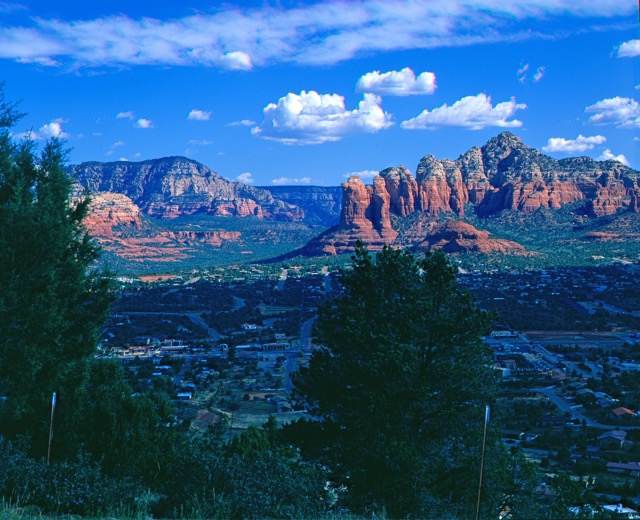
Photography Philosophy
Photography is indeed a legitimate art form. It has the ability to document, to evoke emotion, to inspire, to horrify, to motivate. It can elevate the mundane to the sublime. And it can tear the sublime down to the mundane. It beautifies. It intrigues. It becomes part of our life, part of our moments. Its celebrates. It remembers.
I tend to go more for a natural feel, a “you are there” look, without being a mere snapshot. As a result, I have no interest in pictorialism or the lomography movement. Pictorialism is an attempt to make the technology of photography mimic earlier styles of art. I'm not interested in mimicry.
And lomography is simply laziness. You're taking an inferior camera, inferior film, no effort whatsoever composing the photo, whatever happens happens, and you call that art? No.
My favorite lens formulae are the plasmat types and the Tessars. Why? Tessars have a natural lack of sharpness around the edges; this directs the eye toward the sub, much like the human eye does in real life. Plasmat lenses, because they are symmetrical, have extreme sharpness in the capability of depth of field beyond other types, excluding the remarkable Gundlach WA Radar series of lenses from the 1930s. This gives total freedom of expression without sacrificing technical quality.
One of my particular passion are the subminiature Minox 8x11mm format cameras. Yes, the real spy camera. Their lens mimics the human eye, and the subtle lack of definition does give an interesting vibe, like you’re in the scene.
All around us, even in the most boring settings, is an object, or a point of view, that can be turned into art instantly with photography.
BLACK-AND-WHITE FILTERS
MINOX 8X11mm SUBMINIATURE CAMERA EXPOSURE GUIDE
SUBJECT |
ASA 25 |
ASA 64 |
ASA 100 |
ASA 200 |
ASA 400 |
|---|---|---|---|---|---|
Bright or Hazy Sun on light snow or sand. |
1/1000 |
1/2000 or ND filter |
1/4000 or ND Filter |
NR |
NR |
Bright or Hazy Sun, Distinct Shadows |
1/500 |
1/1000 |
1/2000 or ND Filter |
1/4000 or ND Filter |
NR |
Slight Overcast, Soft Shadows (edges barely visible) |
1/250 |
1/500 |
1/1000 |
1/2000 or ND Filter |
1/4000 or ND Filter |
Overcast, Shadows Barely Visible |
1/125 |
1/250 |
1/500 |
1/1000 |
1/2000 or ND Filter |
Heavy Overcast, No Shadows |
1/60 |
1/125 |
1/250 |
1/500 |
1/1000 |
Open Shade, No Shadows |
1/30 |
1/60 |
1/125 |
1/250 |
1/500 |
Bright Home Interiors, Night |
1/2 |
1/4 |
1/8 |
1/15 |
1/30 |
Average Home Interiors, Night |
1 second |
1/2 |
1/4 |
1/8 |
1/15 |
Brightly lit downtown streets |
1/2 |
1/4 |
1/8 |
1/15 |
1/30 |
Brightly lit nightclub or casino areas |
1/4 |
1/8 |
1/15 |
1/30 |
1/60 |
Indoor sports or stage shows, average |
1/2 |
1/4 |
1/8 |
1/15 |
1/30 |
Offices, Fluorescent Lighting |
1/4 |
1/8 |
1/15 |
1/30 |
1/60 |
Church Interiors, Incandescent |
2 seconds |
1 second |
1/2 |
1/4 |
1/8 |
Neon Signs at night |
1/8 |
1/15 |
1/30 |
1/60 |
1/125 |
Floodlit buildings or statues, night |
5 seconds |
2 to 3 seconds |
1 second |
1/2 |
1/4 |
Fires: campfires, buildings; night |
1/4 |
1/8 |
1/15 |
1/30 |
1/60 |
Christmas trees, holiday lighting, night |
4 seconds color, 5 seconds b&w |
2 seconds |
1 second |
1/2 |
1/4 |
AVAILABLE LIGHT EXPOSURE CHART
| ISO 100 | ISO 200 | ISO 400 | ISO 800 | ISO 1600 | |
| Bright Sun, Sand/Snow Hard Shadows. |
1/125 sec f22 | 1/250 sec f22 | 1/500 sec f22 | 1/1000 sec f22 | 1/2000 sec f22 |
| Bright Sun Distinct Shadows. |
1/125 sec f16 | 1/250 sec f16 | 1/500 sec f16 | 1/1000 sec f16 | 1/1000 sec f22 |
| Slight Overcast Soft Shadows. |
1/125 sec f11 | 1/250 sec f11 | 1/500 sec f11 | 1/1000 sec f11 | 1/1000 sec f16 |
| Overcast Faint Shadows. |
1/125 sec f8 | 1/250 sec f8 | 1/500 sec f8 | 1/1000 sec f8 | 1/1000 sec f11 |
| Heavy Overcast No Shadows. |
1/125 sec f5.6 | 1/250 sec f5.6 | 1/500 sec f5.6 | 1/1000 sec f5.6 | 1/1000 sec f8 |
| Open Shade/Sunset No Shadows. |
1/125 sec f4 | 1/250 sec f4 | 1/500 sec f4 | 1/1000 sec f4 | 1/1000 sec f5.6 |
| Average home interiors at night. |
1/4-sec f2.8 | 1/15 sec f2 | 1/30 sec f2 | 1/30 sec f2.8 | 1/60 sec f2.8 |
| Candelighted closeups. | 1/4-sec f2 | 1/8 sec f2 | 1/15 sec f2 | 1/30 sec f2 | 1/60 sec f2 |
| Christmas trees and holiday lighting at night. |
1 sec f4 | 1 sec f5.6 | 1/15 sec f2 | 1/30 sec f2 | 1/60 sec f2 |
| Brightly lighted downtown streets. |
1/30 sec f2 | 1/30 sec f2.8 | 1/60 sec f2.8 | 1/60 sec f4 | 1/125 sec f4 |
| Brightly lighted nightclub areas like Las Vegas or Times Square. |
1/30 sec f2.8 | 1/30 sec f4 | 1/60 sec f2.8 | 1/60 sec f4 | 1/125 sec f4 |
| Neon and other lighted signs. |
1/30 sec f4 | 1/60 sec f4 | 1/125 sec f4 | 1/125 sec f5.6 | 1/125 sec f5.6 |
| Floodlit buildings, fountains or statues at night. |
1 sec f4 | 1/2 sec f4 | 1/15 sec f2 | 1/30 sec f2 | 1/60 sec f2 |
| Skylines, distant view at night. |
4 sec f2.8 | 1 sec f2 | 1 sec f2.8 | 1 sec f4 | ½ sec f4 |
| Skylines, 10 minutes after sunset. |
1/30 sec f4 | 1/60 sec f4 | 1/60 sec f5.6 | 1/125 sec f5.6 | 1/125 sec f8 |
| Fairs and amusement parks. |
1/15 sec f2 | 1/30 sec f2 | 1/30 sec f2.8 | 1/60 sec f2.8 | 1/125 sec f2.8 |
| Fireworks, ground displays. |
1/30 sec f2.8 | 1/30 sec f4 | 1/60 sec f4 | 1/60 sec f5.6 | 1/125 sec f8 |
| Fireworks, aerial displays. Lock shutter open for several bursts. |
f8 | f11 | f18 | f22 | f32 |
| Fire: campfires, bonfires or burning buildings. |
1/30 sec f2.8 | 1/30 sec f4 | 1/60 sec f4 | 1/60 sec f5.6 | 1/125 sec f5.6 |
| Night sports: Football, Baseball, Racetracks |
1/30 sec f2.8 | 1/60 sec f2.8 | 1/125 sec f2.8 | 1/250 sec f2.8 | 1/250 sec f4 |
| Niagara Falls, white lights. | 15 secs f5.6 | 8 secs f5.6 | 4 secs f5.6 | 2 secs f5.6 | 1 sec f5.6 |
| Niagara Falls, light-colored lights. |
30 secs f5.6 | 15 secs f5.6 | 8 secs f5.6 | 4 secs f5.6 | 2 secs f5.6 |
| Niagara Falls, dark-colored lights. |
30 secs f4 | 30 secs f5.6 | 15 secs f5.6 | 8 secs f5.6 | 4 secs f5.6 |
| Sports: indoor basketball, hockey, bowling. |
1/30 sec f2 | 1/60 sec f2 | 1/125 sec f2 | 1/125 sec f2.8 | 1/125 sec f4 |
| Stage shows, average scenes. |
1/30 sec f2 | 1/30 sec f2.8 | 1/60 sec f2.8 | 1/125 sec f2.8 | 1/125 sec f2.8 |
| Stage shows, brightly-lit scenes. |
1/60 sec f2.8 | 1/125 sec f2.8 | 1/250 sec f2.8 | 1/250 sec f4 | 1/250 sec f5.6 |
| Circuses, floodlit acts. | 1/30 sec f2 | 1/30 sec f2.8 | 1/60 sec f2.8 | 1/125 sec f2.8 | 1/125 sec f4 |
| Circuses, spotlighted acts. |
1/60 sec f2.8 | 1/125 sec f2.8 | 1/250 sec f2.8 | 1/250 sec f4 | 1/250 sec f5.6 |
| Ice shows, floodlighted acts. |
1/30 sec f2.8 | 1/60 sec f2.8 | 1/125 sec f2.8 | 1/250 sec f2.8 | 1/250 sec f4 |
| Ice shows, spotlighted acts. |
1/60 sec f2.8 | 1/125 sec f2.8 | 1/250 sec f2.8 | 1/250 sec f4 | 1/250 sec f5.6 |
| Interiors with bright fluorescent lighting. |
1/30 sec f2.8 | 1/30 sec f4 | 1/60 sec f4 | 1/125 sec f4 | 1/125 sec f5.6 |
| School stages and auditoriums. |
1/8 sec f2 | 1/125 sec f2 | 1/30 sec f2 | 1/60 sec f2 | 1/60 sec f2.8 |
| Church interiors, incandescent lighting. |
1 sec f5.6 | 1/15 sec f2 | 1/30 sec f2 | 1/30 sec f2.8 | 1/60 sec f2.8 |
THE FAST RULE
| F | Focus: be sure the subject is in sharp focus. |
| A | Aperture: set the aperture (f-stop) required to correctly expose the scene. Don't forget the aperture's effect on depth-of-field. |
| S | Shutter: set the shutter speed required to correctly expose the scene. Is the camera on a tripod for long shutter speeds? Don't forget the effect of shutter speed on sharpness and its ability top freeze motion. |
| T | Think! Have you forgotten something? Is this really a good shot? Okay, now shoot! |
FILTER FACTORS
| Filter Factor |
f/stops | Filter Factor | f/stops | |
| 1x | -- | 4x | +2 | |
| 1.2x | +1/4 | 4.8x | +2-1/4 | |
| 1.25x | +1/3 | 5x | +2-1/3 | |
| 1.4x | +1/2 | 5.7x | +2-1/2 | |
| 1.6x | +2/3 | 6.4x | +2-2/3 | |
| 1.7x | +3/4 | 6.8x | +2-3/4 | |
| 2x | +1 | 8x | +3 | |
| 2.4x | +1-1/4 | 9.5x | +3-1/4 | |
| 2.5x | +1-1/3 | 10x | +3-1/3 | |
| 2.8x | +1-1/2 | 11.4x | +3-1/2 | |
| 3.2x | +1-2/3 | 13.5x | +3-3/4 | |
| 3.4x | +1-3/4 | 16x | +4 |
TEN PHOTOGRAPHY TIPS
| 1 | Move in close to the subject so that you see only the most important elements in the viewfinder. |
| 2 | Be sure your camera is adjusted to give the correct exposure: set film (or digital camera) ISO number, shutter speed and aperture. |
| 3 | Be sure the background isn't cluttered and that no distracting objects are in the foreground. |
| 4 | When using flash, keep the subject within the flash's range. You may have to re-arrange the subject to accomplish this. |
| 5 | Keep the camera steady so you don't blur the shot. Use a tripod or monopod with long shutter speeds. |
| 6 | Become thoroughly familiar with how your camera works. If you don't really know how to work your camera, you'll get bad photos out of it. |
| 7 | Keep the subject slightly off-center to create an interesting composition. Try the "Rule of Thirds." |
| 8 | Pose people doing something familiar. Chat with them to make them relax. Don't make the person too aware of the camera (distract them from the camera if possible), otherwise they'll freeze up and look stiff and awkward. |
| 9 | Photograph animals and small children at their eye level. This creates a more natural photograph. |
| 10 | Be aware of how the direction of the light affects the photograph. Don't have people looking into the sun or a bright light because they will squint. Sidelighting is more flattering to your subject and visually interesting. Be sure that contrast doesn't become too great. Cloudy or overcast days often create flattering light. Backlighting is interesting too. Increase exposure by 1 f-stop to compensate for backlighting. |
WRATTEN FILTERS
| Wratten number |
Color | Filter factor |
Correction in F-Stops |
Uses and Characteristics |
|---|---|---|---|---|
| 1A | clear | Called a skylight filter. Absorbs ultraviolet wavelengths. Reduces haze in outdoor landscape photographs. | ||
| 2A | pale yellow | Absorbs ultraviolet wavelengths. | ||
| 2B | pale yellow | Absorbs ultraviolet wavelengths, slightly less than #2A. | ||
| 2C | Absorbs ultraviolet wavelengths. | |||
| 2E | pale yellow | Absorbs ultraviolet wavelengths, slightly more than #2A. | ||
| 3 | light yellow | Absorbs blue. Slightly darkens the sky in black-and-white photographs. | ||
| 4 | yellow | |||
| 6 | light yellow | |||
| 8 | yellow | 2 | Absorbs more blue than #3. | |
| 9 | deep yellow | Absorbs more blue than #8. | ||
| 11 | yellowish-green | Color Correction. | ||
| 12 | deep yellow | "Minus-blue." Complements are #32 "Minus-Green" and #44A "Minus-Red." Used with Ektachrome or Aerochrome Infrared films to obtain false-color results. Used in ophthalmology and optometry with a slit-lamp under exposure by a cobalt blue light to improve contrast when examining the cornea and evaluating the fit of contact lenses. | ||
| 15 | deep yellow | Darkens the sky in black-and-white outdoor photographs. | ||
| 16 | yellow-orange | As #15 but increased effect. | ||
| 18A | Based on Wood's glass. | |||
| 21 | orange | Contrast filter. Blue and blue-green absorption. | ||
| 22 | deep orange | Contrast filter, greater effect than #21. | ||
| 23 | light red | |||
| 24 | red | Color separation of Kodachrome transparency film. Complements are #47B and #61. | ||
| 25 | red tricolor | Color separation. Infrared photography. | ||
| 25A | red | 8 | +3 | Strong contrast red filter. Color separation. Black-and-white infrared film. |
| 26 | red | |||
| 29 | deep red | Color separation. Complements are #47 and #61. For black-and-white outdoor photography to make blue skies appear very dark or almost black. For infrared photography, blocks visible light, increasing the effect of infrared wavelengths. | ||
| 32 | magenta | "Minus-Green." Complements are #12 "Minus-Blue" and #44A "Minus-Red." | ||
| 34A | violet | "Minus-Green" and "Plus-Blue" separation. | ||
| 38A | blue | Absorbs red, some UV and some green. | ||
| 44 | light blue-green | "Minus-Red" filter with UV absorption. | ||
| 44A | light blue-green | "Minus-Red." Complements are #12 "Minus-Blue" and #32 "Minus-Green." | ||
| 47 | blue tricolor | Used for color separation. Complements #29 and #61. | ||
| 47A | light blue | Color conversion. Removes light that is not blue. Enables blue and purple objects show a broader range of colors. Medical applications involving fluorescent dyes. | ||
| 47B | deep blue tricolor | Color separation. Also used to calibrate video monitors with a SMPTE color bar test pattern. | ||
| 50 | deep blue | |||
| 56 | light green | |||
| 58 | green tricolor | Color separation. Enables green objects to show a broader range of colors. | ||
| 61 | deep green tricolor | Color separation, complements #29 and #47. | ||
| 70 | red | Provides proper contrast with color separation processes and infrared photography. | ||
| 80A | blue | 4 | 2 | Color Conversion. 3200 K to approximately 5500 K. Allows proper exposure of Daylight Balanced A film under tungsten lighting. |
| 80B | blue | 3 | 1+2/3 | Similar to 80A; 3400 K to 5500 K. |
| 80C | blue | 2 | 1 | Similar to 80A; 3800 K to 5500 K. Typically used so that old-style flashbulbs can be used on a daylight film. |
| 80D | blue | 1.5 | 1/3 | Similar to 80A; 4200 K to 5500 K. |
| 81A | pale orange | 1.4 | 1/3 | Warming filter to slightly decrease color temperature slightly. For proper expsoure of Tungsten Type B film (3200 Kelvin) with 3400 Kelvin photoflood lights. The opposite effect of 82A. |
| 81B | pale orange | 1.4 | 1/3 | Warming filter. Slightly stronger than 81A. The opposite of 82B. |
| 81C | pale orange | 1.5 | 1/3 | Warming filter. Slightly stronger than 81B, opposite of 82C. |
| 81D | pale orange | Warming filter. Slightly stronger than 81C. | ||
| 81EF | pale orange | 1/3 | Warming filter. Stronger than 81D. | |
| 82A | pale blue | 1.3 | 1/3 | Cooling filter to increase the color temperature slightly. The opposite of 81A. |
| 82B | pale blue | 1.4 | 2/3 | Cooling filter. Slightly stronger than 82A and opposite effect of 81B. Color conversion for proper exposure of Tungsten Type B film (3200 Kelvin) exposed by ordinary household 100 Watt incandescent lamps (2900 Kelvin). |
| 82C | pale blue | 1.5 | 2/3 | Cooling filter, slightly stronger than 82B and opposite of 81C. |
| 85 | amber | 1.5 | 2/3 | Color conversion. Opposite effect of 80A. Warming filter. Converts 5500 Kelvin light source to 3400 Kelvin. Allows proper exposure of Tungsten Type A film outdoors. |
| 85B | amber | 1.5 | 2/3 | Similar to 85. Converts 5500 K to 3200 K. |
| 85C | amber | 1.5 | Similar to 85. Converts 5500 K to 3800 K. | |
| 85N3 | amber | Neutral density of 1 stop + color conversion. Opposite effect of 80A. Opposite effect of 80A. Warming filter. Converts 5500 Kelvin light source to 3400 Kelvin. Allows proper exposure of Tungsten Type A film outdoors. | ||
| 85N6 | amber | Neutral density of 2 stops + color conversion. Opposite effect of 80A. Opposite effect of 80A. Warming filter. Converts 5500 Kelvin light source to 3400 Kelvin. Allows proper exposure of Tungsten Type A film outdoors. | ||
| 85N9 | amber | Neutral density of 3 stops + color conversion. Opposite effect of 80A. Warming filter. Converts 5500 Kelvin light source to 3400 Kelvin. Allows proper exposure of Tungsten Type A film outdoors. | ||
| 87 | ||||
| 87C | opaque | Passes infrared but not visible wavelengths. | ||
| 89B | near-opaque | Passes infrared, blocks visible wavelengths below 720 nm (very dark red). Aerial photography use. | ||
| 90 | dark grayish amber | Used for viewing scenes without color before photographing them. | ||
| 92 | red | Color densitometry. | ||
| 93 | green | Color densitometry. | ||
| 94 | blue | Color densitometry. | ||
| 96 | grayish | varies | Neutral density filter. Blocks all colors evenly, darkening a scene overall. | |
| 98 | blue | Equals a #47B plus a #2B filter. | ||
| 99 | green | Like a #61 plus a #16 filter. | ||
| 102 | yellow-green | Color conversion to make a barrier-level type photocell respond like the human eye. | ||
| 106 | amber | Color conversion to make an S-4 type photocell respond like the human eye. |