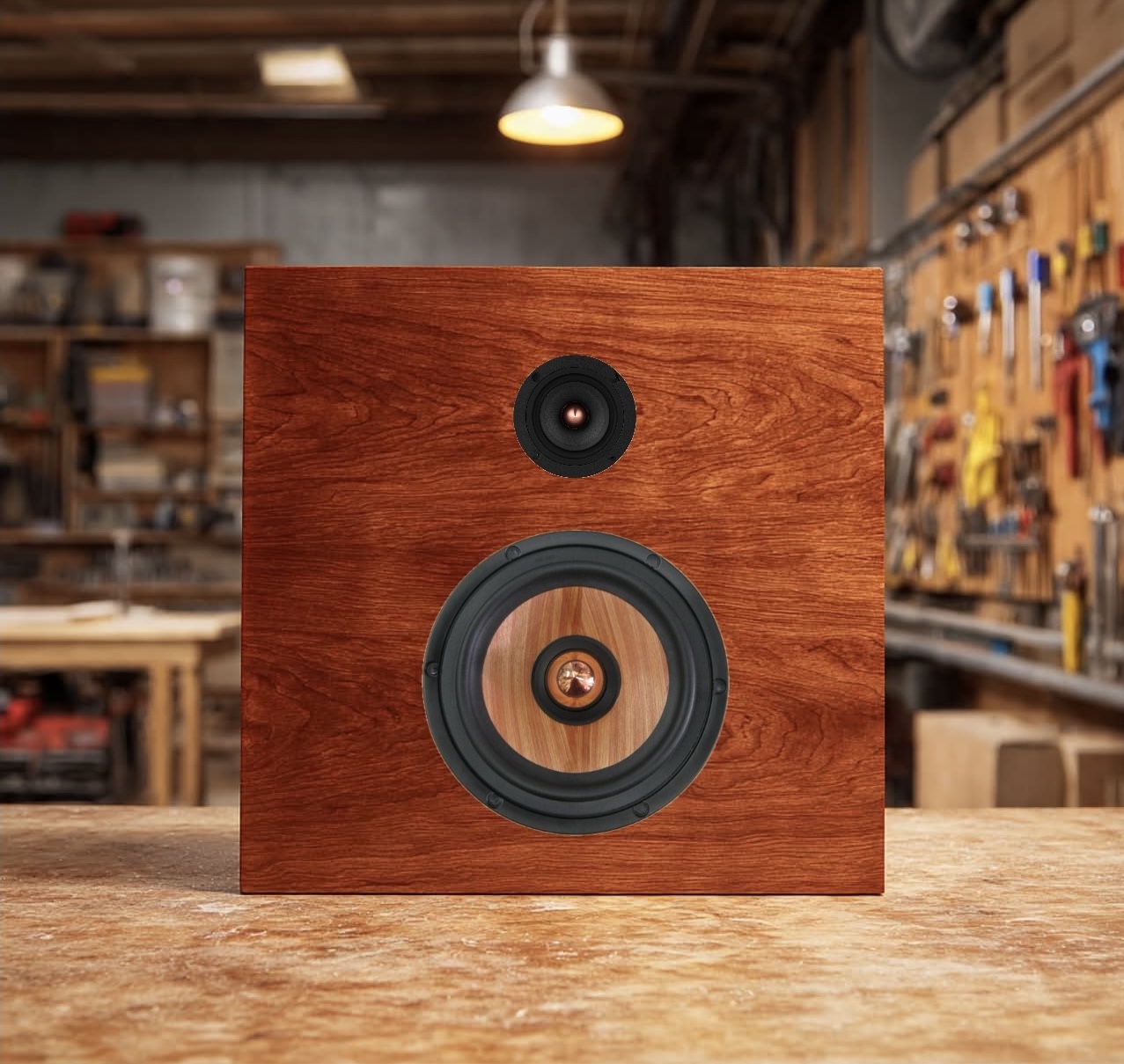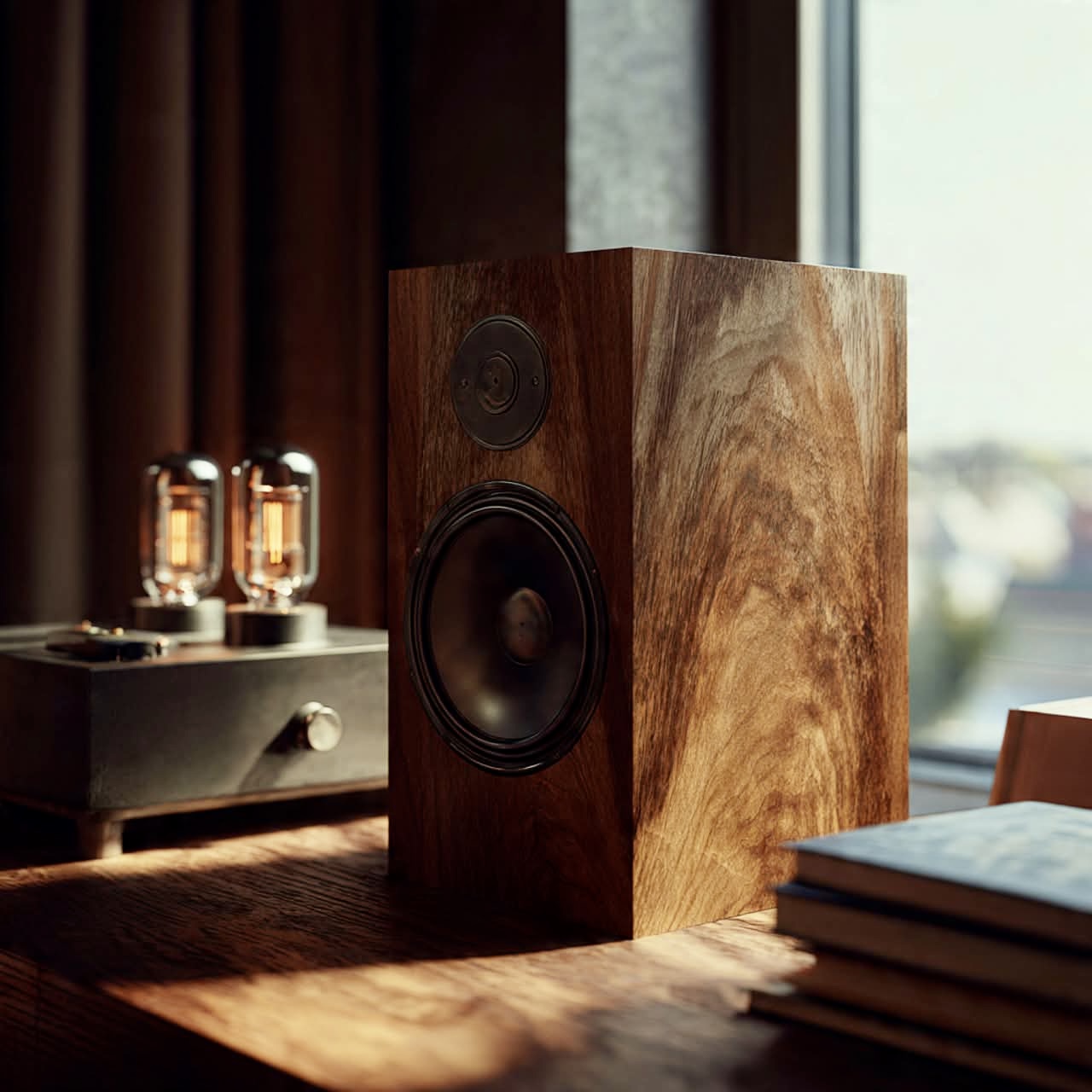
Audio and music have been my intertwined passions since my earliest days when my parents would fill our small home in Ruskin Heights with vinyl records played on a monophonic Voice Of Music 560 record changer. Finally, I began my “audio journey” during my high-school days in the 1970s, which included the opportunities to begin a career in professional audio.
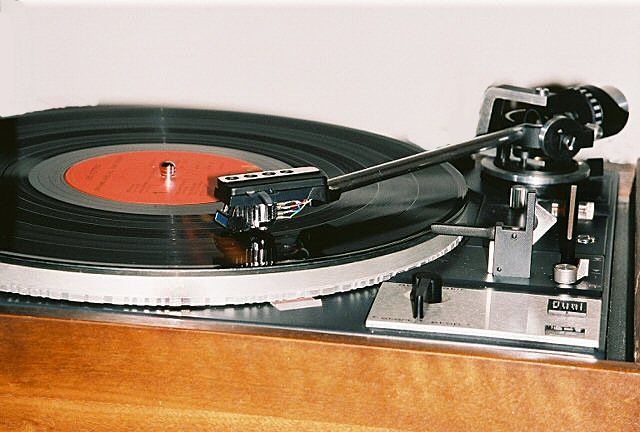
My first stereo? A used Akai M-8 reel-to-reel, its built-in vacuum tube power amplifier driving a pair of Akai full range speakers and a barely-working Webcor record changer plugged into the M-8’s phono inputs. Soon, a well-worn DeWald stereo amplifier joined the rig, a $5 garage sale find. Next, a new pair of STR Beta speakers replaced the Akai fullrange speakers, a new Kenwood KA-3500 amplifier with KT-5300 tuner replaced the DeWald, a new Dual 1249 (seen above) superseded the Webcor, a Pioneer CT-F7171 and Revox A77 joined the Akai M-8. Ultimately, by my second year of college, a Harman-Kardon Citation Eleven preamplifier, Crown D75 amplifier, Harman-Kardon ST-7 turntable, Revox A700, Revox B77, Revox B710, Klipsch Heresy and La Scala added to the system.
That was just the beginning of an ever-evolving collection of Bang & Olufsen, Crown, Nakamichi, Yamaha, and Pioneer amplifiers, plus my own amplifier designs; Ampex, Berlant-Concertone, Revox, Scully, Wollensak, Pioneer, Nakamichi, TEAC, TASCAM, Uher, Korg, Nagra, and Marantz recorders; my own speaker designs, Peavey, TASCAM, and Altec mixers; SAE, dbx, Dolby Labs, Burwen, and my own signal processor designs; over 60 microphones by AKG, Beyerdynamic, Revox, Sennheiser, Reslo, ElectroVoice, Turner, Shure, AudioTechnica, and Nakamichi; plus a Scully automatic record lathe with Westrex 45/45 cutter head and Adamant stylus, many more Dual turntables, a very-tweaked Rega Planar 3, two Yamaha turntables, and two fun Bang & Olufsen turntables.
And phono cartridges. Oh boy. Yeah, I got addicted to phono cartridges, numerous Shure, Stanton, Pickering, ADC, AKG, Klipsch, Denon, Supex, Empire, Nagatron/IMS, MicroAcoustics, Bang & Olufsen, Grado, Rega, AudioTechnica, Sumiko, Benz-Micro, General Electric, Sonotone, Dual, and Fairchild models made from the mid-1960s until 1990. Seriously, I’m glad my addiction was phono cartridges instead of crack.
Along the way, I began a parallel career as a professional photographer. And way too many cameras and lenses by Pentax, Graflex, Burke & James, Minox, Olympus, Mamiya, Zeiss, Schneider, Wollensak, Gundlach, and Yashica. Plus the inevitable horde of darkroom and photo studio equipment, including a custom-built Beseler enlarger, numerous Bowens Monolite strobes, Jobo film processors.
I have a bad habit of going totally overboard in anything I get involved in.
And yes, I’m an analog man in a digital world.

First off, let me declare up-front: I honed my audio skills, and subsequent tastes, in an era where reliability, maintainability, and predictable performance were valued more highly than chasing the last fraction of a dB of measured performance. I’m coming from a tradition where high efficiency, dynamics, and ready serviceability mattered most.
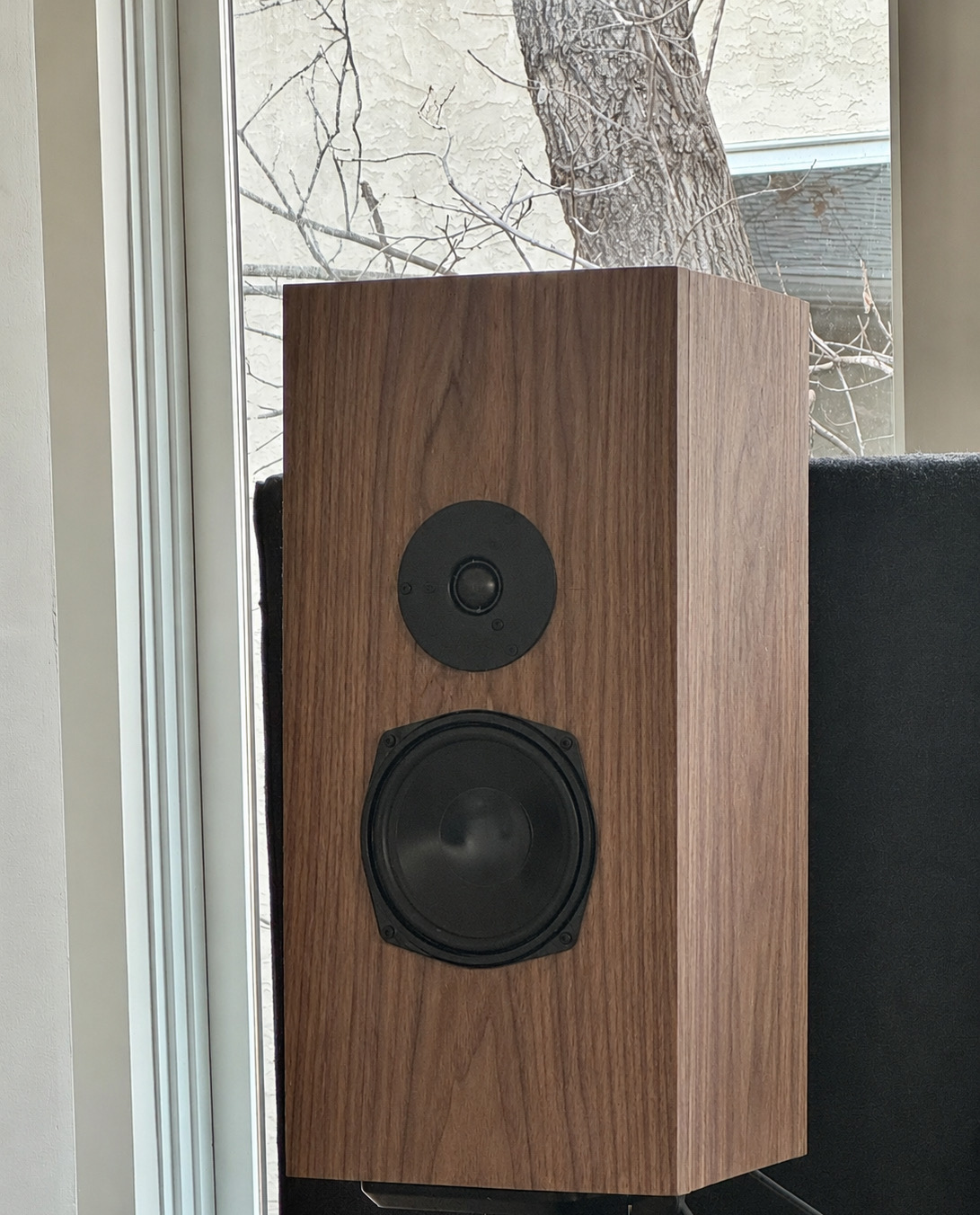
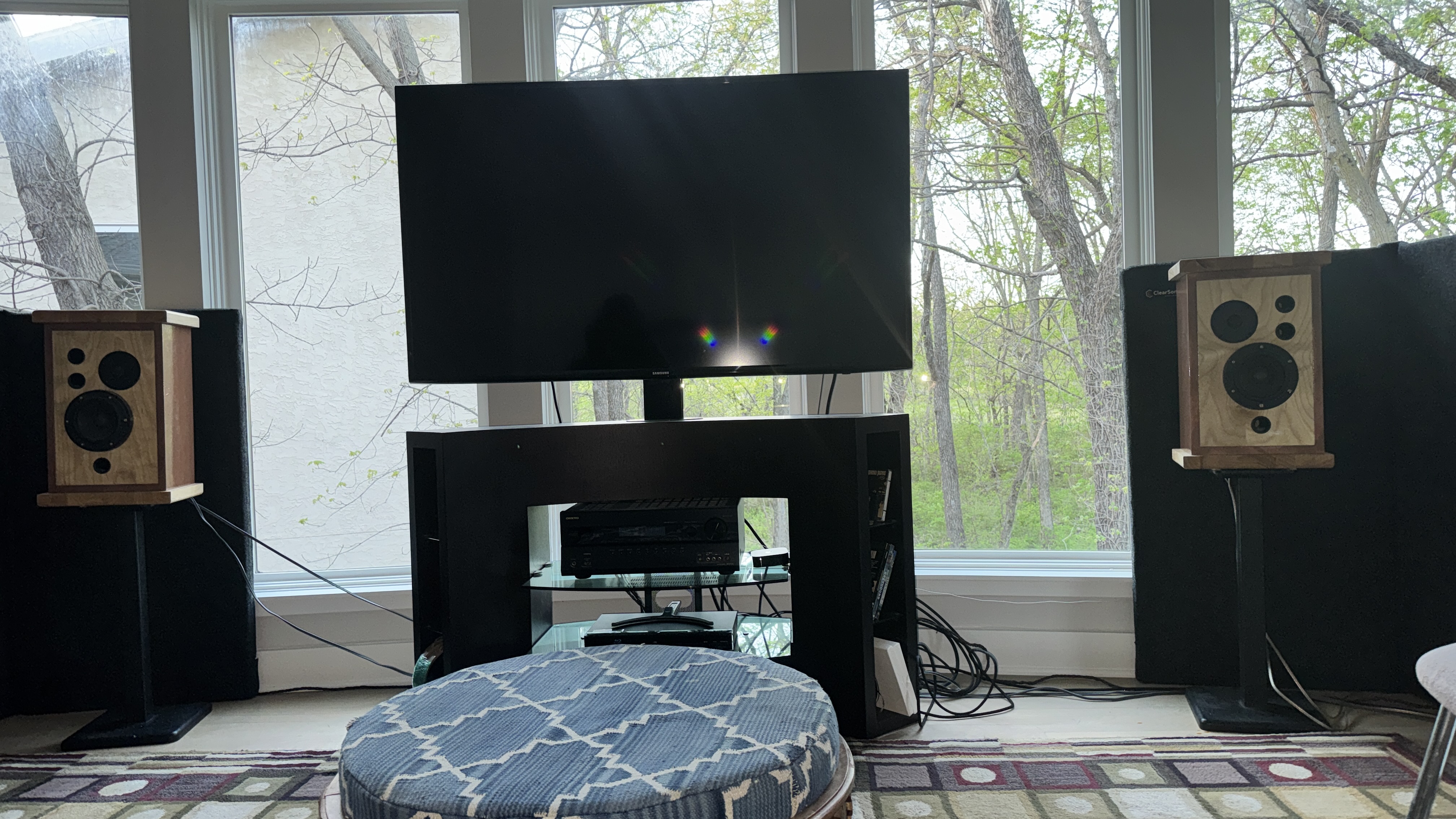
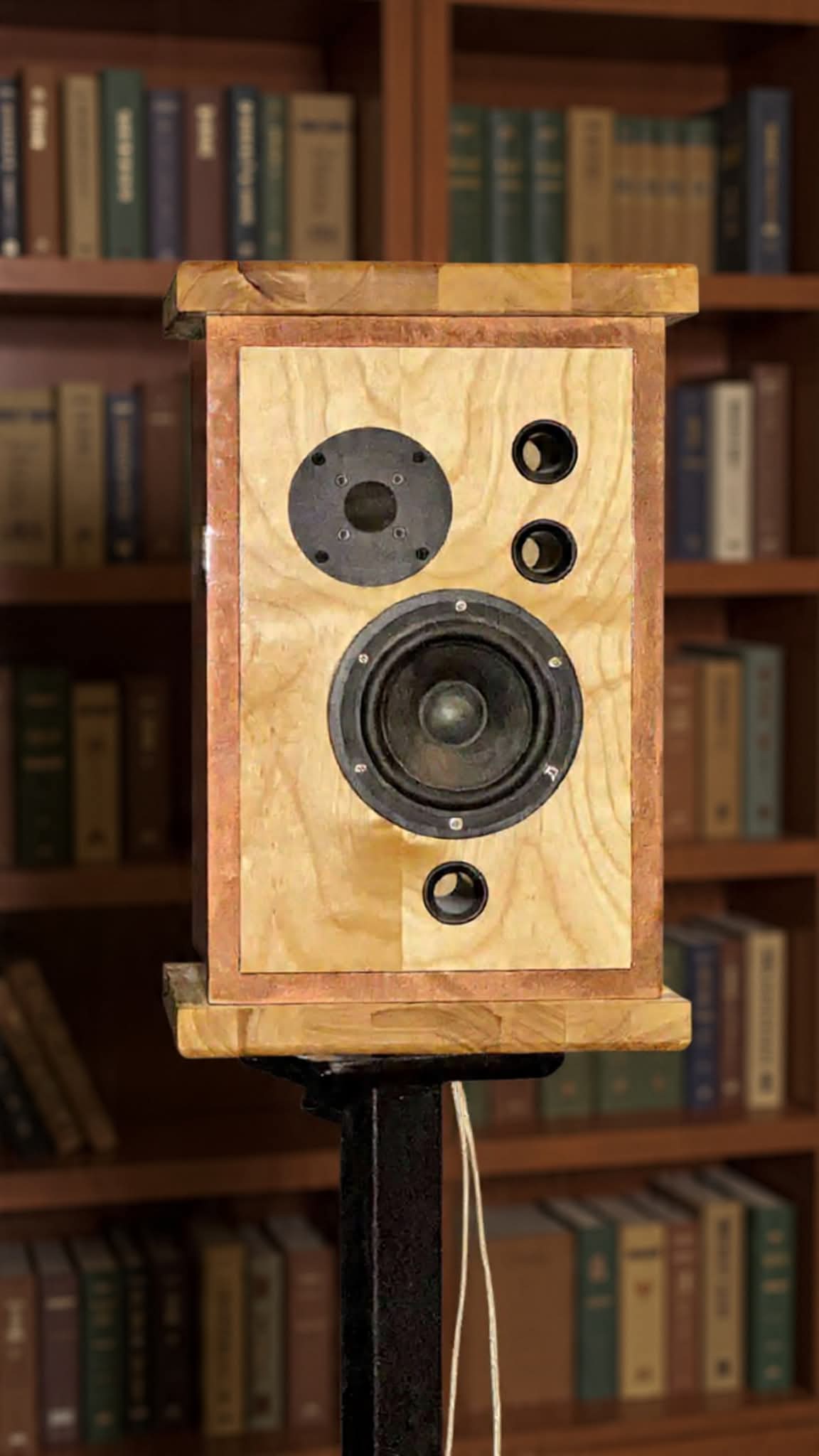
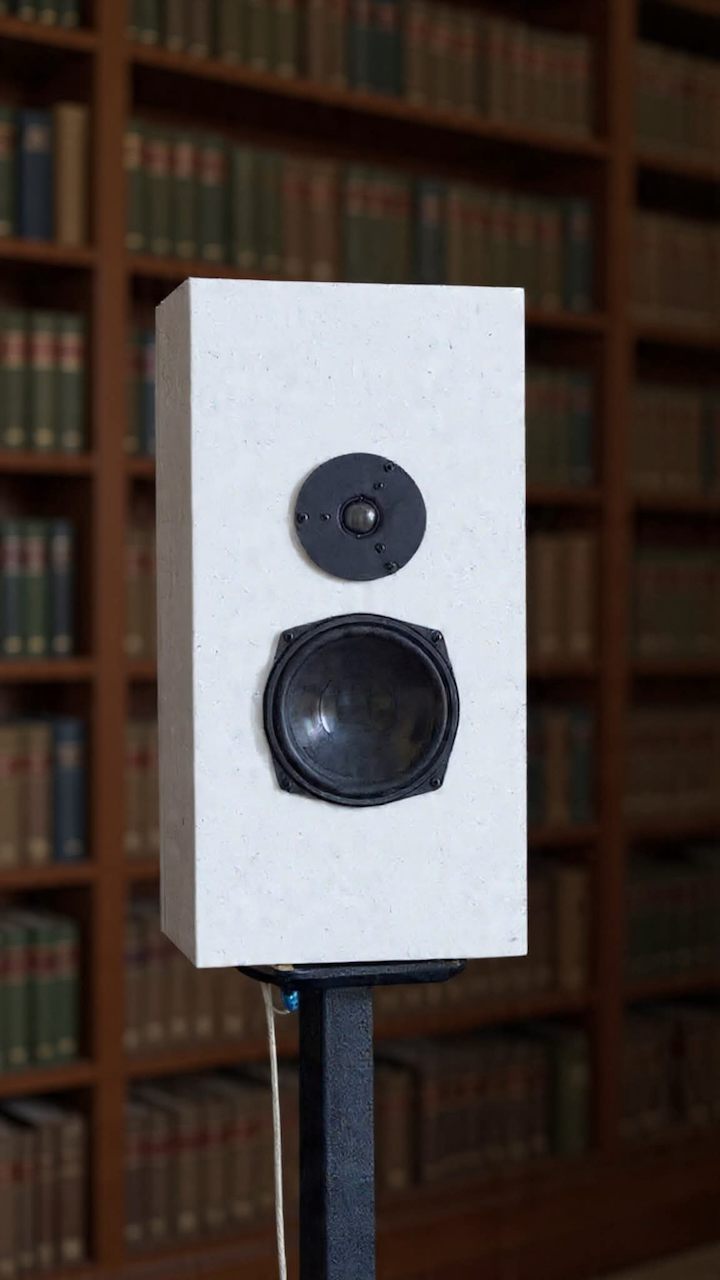
A loudspeaker is a tool first and a luxury object second. My focus is on things that produce large, repeatable results, not endless debates about boutique parts. It’s why I prioritize directivity, crossover topology, driver selection, cabinet construction, room interaction, and utter reliability.
Hence, I usually prefer Switchcraft and ITT/Cannon connectors instead of WBT, Vishay/Dale instead of boutique resistors, WIMA instead of exotic capacitors, active crossovers instead of enormous passive networks, and line-level Baffle-Step Compensation (BSC) instead of speaker-level compensation.
That said, a loudspeaker is the only way to interface an audio system with the human ear. At this point, you cannot plug a cable from the stereo directly into your brain, and your brain cannot connect to the audio system via Bluetooth. That may actually be a good thing. Just saying. So, when I am designing a loudspeaker, I'm trying to find the balance between a speaker that gives the most vivid, realistic, emotionally-involving experience possible yet not be so clear and so distortionless that a recording you play on it sounds terrible.
Except for studio monitors: I want those to be as revealing and accurate as possible. Because if you cannot hear a mistake, you cannot fix it.
Anyway, getting back to home stereo. Here is the dirty little secret of loudspeaker design. Recordings are not all the same quality. Some are superlative, some of them are just outright poorly recorded, being noisy and harsh. The loudspeaker has to reproduce all of these. So finding the balance that gives you the full benefit of the excellent recordings without being fully aware of how bad the poorly made recordings are is quite the balancing act.
It's one reason it takes me so long to develop a new loudspeaker. Trying to find that balance.
Also, I do seek to create a loudspeaker that lets you have an emotional experience. If I'm not in a good mood, I'm not very effective that day working on the design. I sometimes have to walk away to give a design a few days until I'm feeling more serene.
I also have been involved in studio recording throughout my entire adult life again, I strive to create recordings that are detailed, emotionally involving, and create extremely vivid stereo images, nearly lifelike experiences. Recordings that make you feel you can reach out and touch the band. Or that you're on the stage with the band.
But that brings another balancing act. Recording technology isn't just for capturing the music. It isn't just purely documentary. Recording systems become part of the creative process.
Here again is the balancing act.
How far from reality, from vivid, from natural sound can you go into the creative aspects without destroying the listening experience? Especially because, with a recording system, you could create musical performances and instrument sounds that could never exist live. Yet, I try to make those artificialities sound natural.
Below are a few recordings I’ve made over the years. Sources are analog master tapes run through my Digital Audio Workstation to remove noise and encode for MP3/streaming audio. Some tracks are monaural, recorded on my Ampex 602; most stereo tracks recorded or mixed-down to “Travelin’ Man,” my customized Revox A77 “suitcase model."
My first jobs were as a live sound engineer. Despite growing dsuccess in that profession, I seemingly disappeared overnight, abruptly quitting the business.
Why?
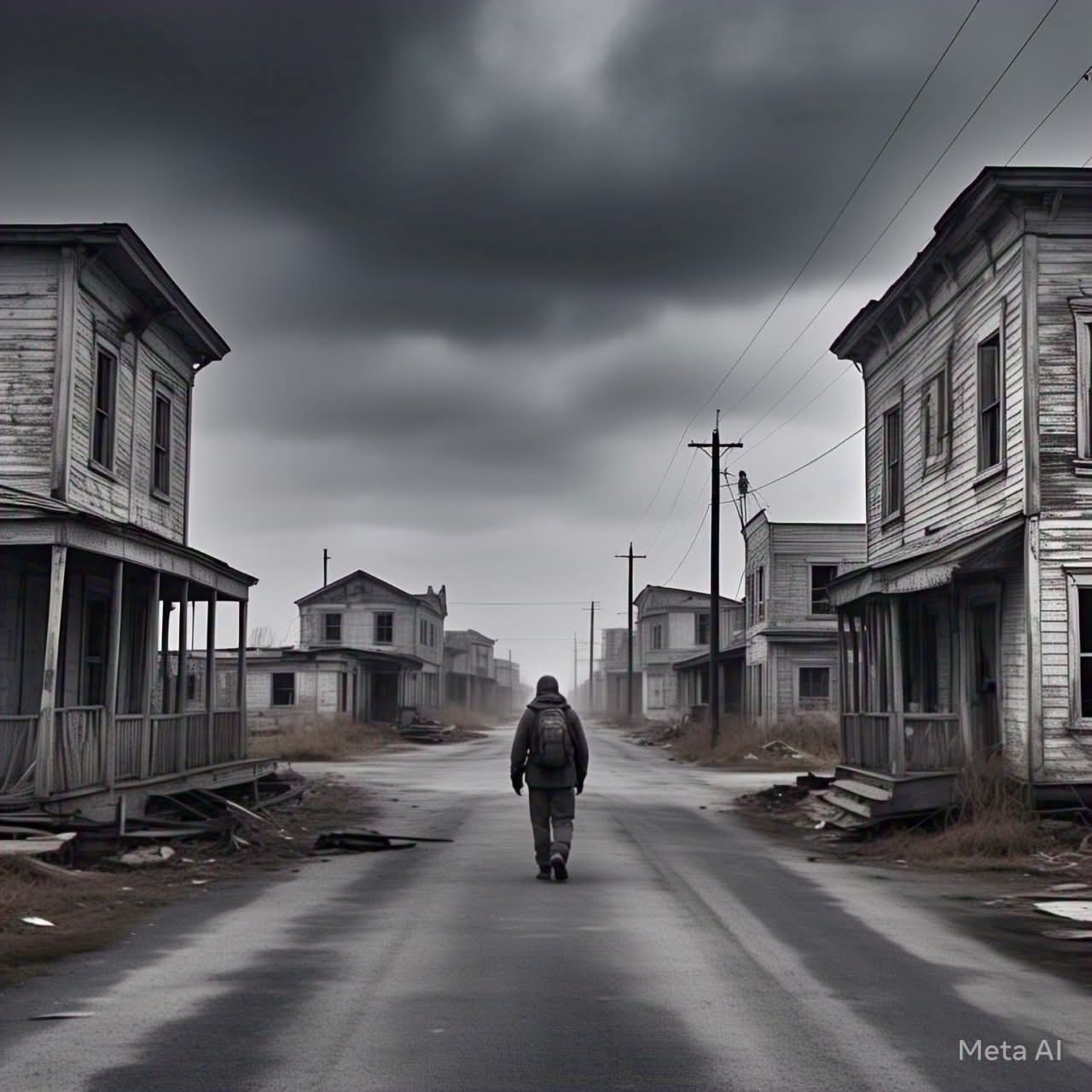
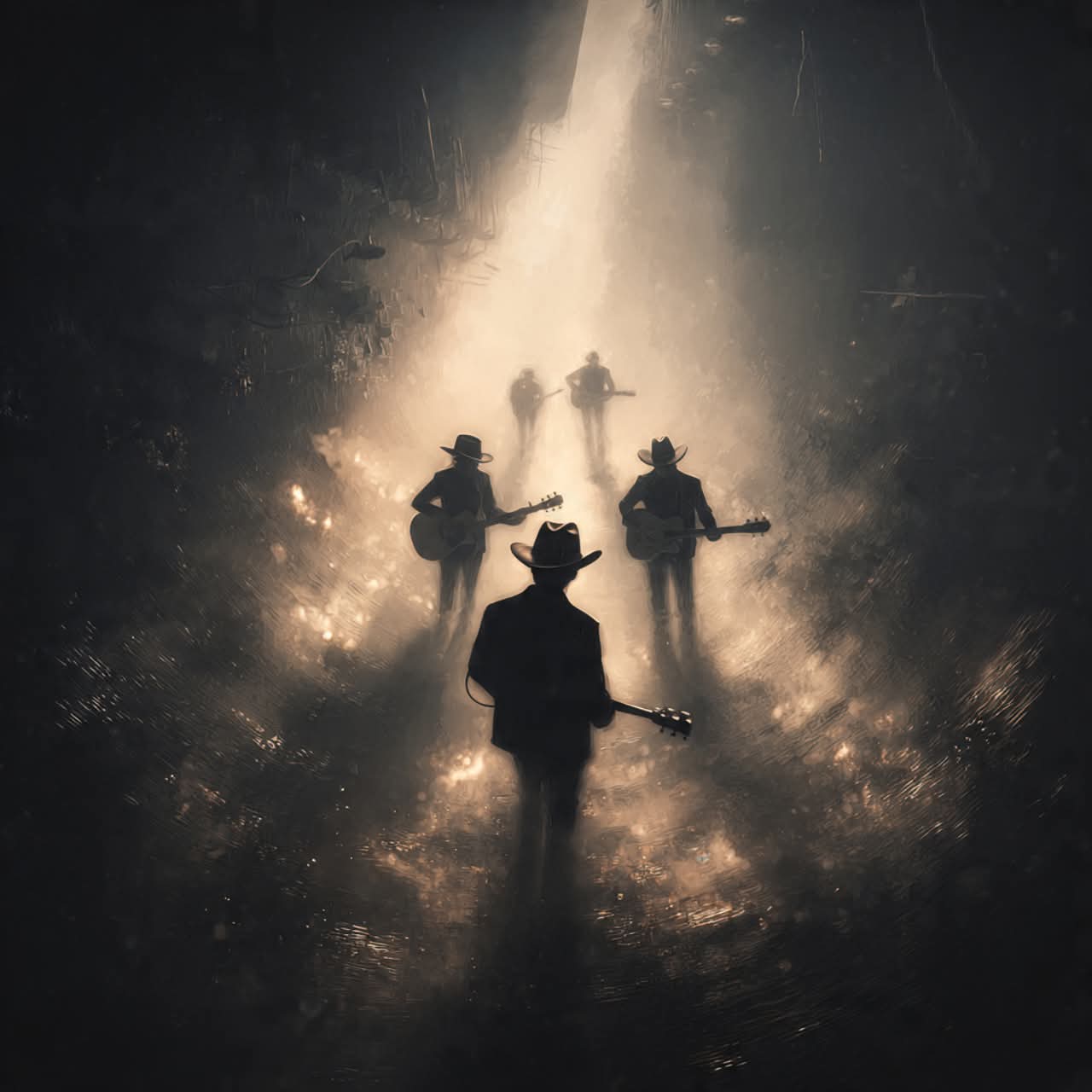
The track titled “Stoic Guitar Man” began as “Stoic Sound Man.” It describes the gnawing, black-hole emptiness I experience when coming off the euphoria and intense concentration of engineering a live concert.
A good friend, Alan Ingalls, was helping me write and arrange the song, but it kept hitting dead ends. During one session, the phenomenal Zia Santiago, who has deftly edited many of my recording projects, remarked, “No one relates to the sound man. But they do the guitarist.” This insight led to “Stoic Guitar Man” instead.
A final note, a “prequel” of sorts. Years before “Stioc Guitar Man” was recorded, I was engineering a local band created by guitarists/writers Mike Turner and Robert Turner (who aren’t related). I had pre-sold the project to Paul Weitzel of Diversity Records (a short-lived audiophile label). Exciting.
Unfortunately, the project was a nightmare. Robert Turner constantly changed arrangements just as a song neared completion. I do admire his creativity, his love of music, and his enjoyment of the recording process. But, in my opinion, that led to him taking a crisp, sharp song and slowly cluttering it up. To say we had “irreconcilable artistic differences" would be an understatement. I had agreed to record the band because I loved their sleek, energetic sound; it was that sound that I had pre-sold to Diversity Records. Once cluttered up, their music, to my ear, became musical mulch, a mish-mash of styles that didn’t gel. The futility of never-ending re-recording led to me eventually walking off in disgust and frustration. The financial loss was huge, and ended my studio for about threeß years, not to mention the damage to my reputation. I’ve become very picky about projects as a result.
One of the band’s early demos was titled, coincidentally, “Stoic Guitar Man.” Recorded by my older studio in Raytown, Missouri, featuring Mike Turner and David Bramwell (a great guy), I don’t believe their song was ever released. It should have been.
One lyric of the song was, “…he disappeared into nothingness….” That haunted me for years, and latently was the ember of inspiration that would lead to my song, “Stoic Guitar Man.” The final line is that lyric from the Turner/Bramwell song; I felt I should acknowledge both the source and the dark inspiration.
Zia Santiago
Zia Santiago
A Studio Project (Semi-biographical)
A Studio Project
Empty Tomb Group: Test Mix
Studio Project (Country)
Studio Project (Easy Pop)
Studio Project
Studio Project
Studio Project
Studio Project
Studio Project
Studio Project (Metal)
Studio Project (Cyber Punk)
Studio Project (Cyber-Ethereal)
Studio Project (Test Mix)
Studio Project (Cyber Rap)
Studio Project (Cyber Beatnik)
Studio Project (Cyber Rap)
Studio Project (Rap, Test Mix)
Early 2026, I had this off-the-wall (possibly stupid) concept for an album of short absolutely insane narrative raps. This is as far as I got recording it before I decided not to release the album. It has 40 short tracks, most about one minute or less. Many of the tracks are rough, with editing errors or mispronounced words. Word. If you think I should release it, yell. It’s not too late.
Ravings!
Ravings!
Ravings!
Ravings!
Ravings!
Ravings!
Ravings!
Ravings!
Ravings!
Ravings!
Ravings!
Ravings!
Ravings!
Ravings!
Ravings!
Ravings!
Ravings!
Ravings!
Ravings!
Ravings!
Ravings!
Ravings!
Ravings!
Ravings!
Ravings!
Ravings!
Ravings!
Ravings!
Ravings!
Ravings!
Ravings!
Ravings!
Ravings!
Ravings!
Ravings!
Ravings!
Ravings!
Ravings!
Ravings!
Ravings!
Ravings!